
Why NFC Smart-Card Cold Storage Is the Quiet Revolution in Crypto Security
Why NFC Smart-Card Cold Storage Is the Quiet Revolution in Crypto Security
Whoa! I didn't expect smart-card wallets to feel this elegant. They slip in a wallet like a credit card and they are inert until tapped. At first glance it seems like just another gadget, though the security trade-offs are subtle and matter a lot when you hold thousands in crypto. My instinct said the convenience might cost security sometimes.
Seriously? Then I tested one for a week with a small amount. No cables, no seed-phrase on paper, no connected device stuck online. What surprised me was how the NFC, combined with immutable hardware keys and tamper-evident packaging, created a mental model of safety that paper backups never quite achieved. Here's what bugs me about many wallets though: they promise cold storage but secretly need a phone to function.
Hmm... Cold storage used to mean offline computers or paper seeds hidden in safes. Smart-card NFC wallets shrink that entire concept to a single card you can tap. Initially I thought the convenience might erode best practices, but after walking through threat models I realized the physical possession model actually raises the bar against remote attacks, even if phishing and user error still exist. On one hand it's elegant, on the other hand users still need to manage recovery carefully.
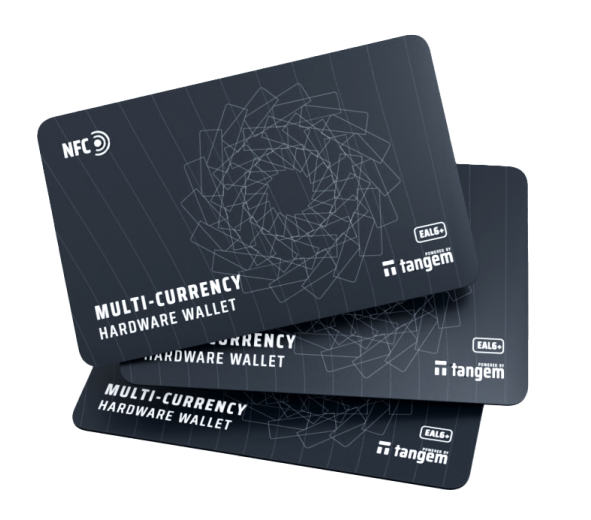
Real-world use and a recommendation
Here's the thing. I used a tangem card as a real test, and it behaved predictably. It refused to export keys and signed transactions only after a clear tap. Using that product as an example, the private key is generated inside the card, never leaves it, and transactions are authorized by NFC pairing which keeps the threat surface minimal compared to typical phone-based custodial flows pushed by some Silicon Valley apps. That doesn't solve social engineering or bad backups though.
Whoa! Implementation details matter a lot for security, no joke. You want secure elements certified at high levels and clear recovery options, somethin' easy to use. If manufacturers skimp on secure boot, firmware signing, or allow key export via maintenance modes, the whole cold storage promise collapses quickly under sophisticated attack scenarios. I'm biased, but hardware-backed NFC solutions look promising to me.
Really? User experience is the secret ingredient for widespread adoption. If people can't back up or fear losing the card they'll make risky choices. So recovery models like multisig, Shamir backups, or companion recovery cards, used cleverly, can keep the human element from being a single point of failure while preserving the offline private-key property. Okay, so check this out—combine a card with air-gapped signing and you get something resilient.
Hmm... What I'm left with is cautious optimism. Cold NFC cards are not a silver bullet for every user. They fit a clear niche—people who prioritize self-custody, want a minimal UX, and are willing to learn basic backup hygiene—while also creating new operational practices that need thoughtful onboarding. I'll be honest, I still worry about lost cards and single points of failure, but multimodal recovery reduces that risk.
FAQ
How does NFC cold storage differ from a hardware wallet?
Short answer: it's more phone-friendly. NFC cards keep keys in tamper-resistant hardware and need only a tap to sign. They avoid USB connections and reduce the attack surface for remote compromise. For advanced users, NFC cards can be integrated into multisig setups or combined with air-gapped workflows to balance convenience with robust recovery strategies that handle lost or damaged cards. If you lose a card, recovery depends on the scheme you selected, so plan for that.
Should I trust smart-card manufacturers?
Trust but verify is my operating principle. Check certifications, community audits, and a clear recovery story before buying. Supply-chain hardening and firmware attestations matter more than glossy marketing. If something feels off about the packaging or the onboarding flow, step back; it's very very important to avoid rushed decisions. (oh, and by the way... keep a small test amount first.)
Laisser un commentaire
Vous devez vous connecter pour publier un commentaire.